


"A family located in North London wants to find an exceptional and skilled tutor to assist their smallest child on his early path to becoming an English gentleman."
When reading this listing, you might readily skip the term "first-steps" as simple figurative language.
However, it might be the most important part of this unusual employment listing, as it aims to recruit a mentor for a one-year-old.
Numerous of submissions have now been submitted since the unidentified family published their call for the £180,000 per year tutor, who has to be "an exceptional individual".
During the past few weeks, the post has received interest throughout the news, with several asking why?
Forward-Thinking Method
A tutoring expert, CEO and founder of an education consultancy, which is supporting the family in their quest, explained that despite first scepticism, he considered the plan "forward-looking", and "progressive".
When he consulted the family, he said they recognized the atypical character of their requirement, and how young their son is.
But, they stated that they "preferred not to postpone any longer" to engage a tutor, as they had postponed until their elder sibling was five, and by that age "cultural conditioning had already taken hold".
But what did the family refer to by "cultural predisposition"?
It's "comprehensive", he answered. "The way you eat, the way you speak".
He explained the elder child had absorbed "really subtle, non-verbal cues" from the family, and had taken on their cultural habits. The family explained to the consultant they wished to avoid this pattern to happen again with their infant.
The plan: To hire a British tutor, who should speak with standard English accent, to influence the baby from day one.
Natural Absorption
"A great deal of the development at the start here is kind of acquired indirectly," said the expert.
It's via this natural absorption that the family are hoping the child will pick up the UK customs they want to cultivate.
The consultant explained the tutor needed to be someone who attended "prestigious academies – comparable categories of schools as the family hope to send their son to".
"The instructor just has to be the suitable individual, they'll be carrying out things they don't even know they're doing, effortlessly," he commented.
Cost Not Relevant
The family informed him the successful candidate should ideally also have understanding of or enthusiasm in riding, skiing, artistic pursuits and musical activities so as to shape the child in a diverse set of interests.
Furthermore though, he explained the family desired the tutor to enrol the child on a selection of courses so the child would be "equestrian training and starting an instrument by the time they are around three years old".
In the family's view, helping their son become a "English gentleman" will result in accomplishment and provide access.
"Taking into account the rights and wrongs of that, because it's certainly a class statement," he comments.
But, in spite of all this tutelage in "UK identity", might the child adopt what is termed cultural leaning from the globally influenced family he is raised by anyway?
"Absolutely", answered he. "The family know this may not work, but they've just taken the view of, 'we should try and we should start as soon as we can', because the cost of it is irrelevant," he said.
Overly Optimistic
Several in the education sector who have those reservations.
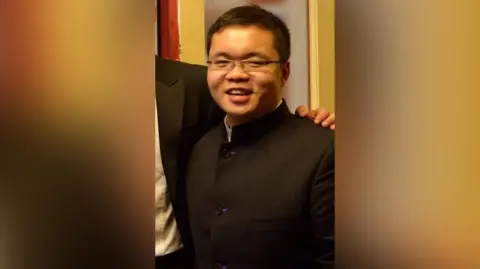
Another CEO, chief executive of a tutoring service, who supplies personal educators, commented that "the process of becoming bicultural, or in fact, becoming oneself, is something that must be lived into, not designed."
The expert wrote that he had relocated from Asia to the Britain at the age of childhood, and had been educated experiencing and embodying dual heritages. He continued to study at Cambridge University.
"The idea that an individual can function as a living vessel of Britishness, someone who can somehow transfer the characteristics of a British gentleman upon a infant child, strikes me as idealistic and impractical," he stated.
"From my perspective, employing a distinctly UK tutor from early childhood will not automatically produce the outcome they hope for.
"I did not have such a figure, and nevertheless I have been fortunate enough to live numerous of the opportunities they desire for their son."
He stated: "The fact is, cultural identity cannot be dictated from the outside; it must be chosen, and it must be internally driven."
Acquiring Englishness
Certainly, English culture is something Adam hopes can be instructed – and commercialized.
"I think the situation that the global community holds us in this light is something that we should be cherishing|valuing|appreciating


